How to prepare a house clearance for fast rubbish collection UK
If you need a home emptied quickly, the difference between a smooth job and a stressful one usually comes down to preparation. Knowing how to prepare a house clearance for fast rubbish collection UK means you can save time on the day, reduce hold-ups, and make sure the team can get straight to work instead of navigating clutter, confusion, or last-minute decisions. Truth be told, most delays are avoidable.
Whether you are clearing a property after a move, dealing with a bereavement, sorting an empty rental, or just trying to reclaim a packed-out house, a bit of planning makes the collection faster and cleaner. This guide walks you through the practical steps, the common pitfalls, the compliance points that matter in the UK, and a realistic checklist you can actually use. Nothing fluffy. Just the stuff that helps.
Table of contents
- Why fast preparation matters
- How house clearance for fast rubbish collection works
- Key benefits and practical advantages
- Who this is for and when it makes sense
- Step-by-step guidance
- Expert tips for better results
- Common mistakes to avoid
- Tools, resources and recommendations
- Law, compliance, standards and best practice
- Options, methods and comparison table
- Case study or real-world example
- Practical checklist
- Conclusion
- Frequently asked questions
Why How to prepare a house clearance for fast rubbish collection UK Matters
Fast rubbish collection is not just about speed for speed's sake. It is about making the whole clearance predictable. If a property is ready before the collection team arrives, the work usually moves more efficiently, with less lifting around obstacles and fewer pauses to ask what stays and what goes.
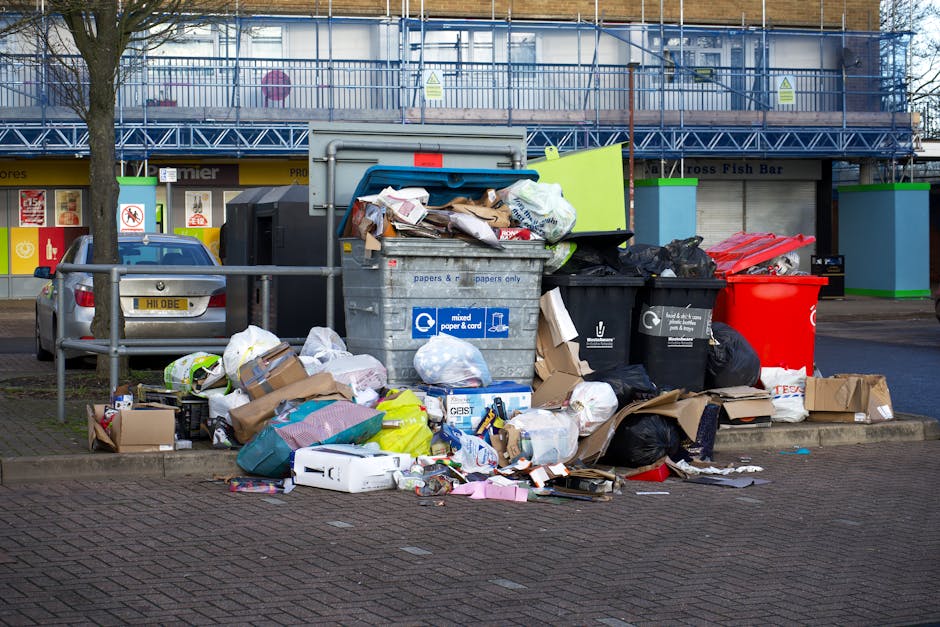
That matters even more in real life, because house clearances are rarely neat. There may be loft boxes, awkward furniture, old appliances, mixed household waste, and a few items that need special handling. When the space is organised in advance, the crew can identify loadable items quickly and avoid wasting time separating things that should have been grouped earlier.
There is also a practical side that people sometimes overlook: access. A clear hallway, open doors, a decent parking spot, and a simple path from the house to the vehicle can shave a surprising amount of time off the job. You will notice the difference straight away on busy streets, narrow terraces, or flats where every trip counts.
If you are comparing services, it is worth looking at companies that clearly explain house clearance and broader waste removal options, because the right service is often the one that matches the property, the volume, and the level of sorting required.
How How to prepare a house clearance for fast rubbish collection UK Works
In simple terms, preparation turns a clearance from a reactive job into an organised one. The property owner or occupier identifies what needs removing, separates what will be kept, and makes sure the collection team can access the items without unnecessary delays.
Most fast collection jobs follow a fairly predictable flow:
- You identify the areas to be cleared.
- You separate keep, donate, recycle, and remove piles.
- You highlight anything fragile, confidential, or hazardous.
- You make access easier by moving cars, unlocking gates, and clearing doorways.
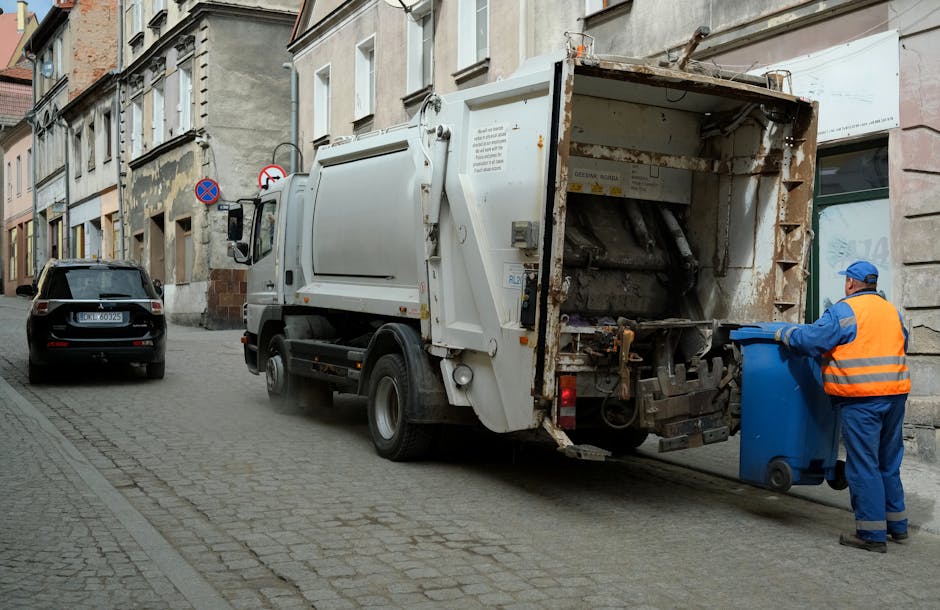
- The team loads the items, checks for anything excluded, and removes the waste.
That sounds basic, and in a way it is. But the small details matter. For example, a boxed loft clearance is usually quicker than a mixed pile dumped across three rooms, even if the total volume is the same. A sorted garage can be cleared faster than one full of loose bags, broken shelving, paint tins, and old electricals all mixed together.
Some customers also book linked services when the clearance is part of a wider clean-up. If your job includes bulky pieces, it may be useful to plan around furniture clearance or even mattress and sofa disposal where relevant. If you have appliances, check whether fridge and appliance removal is needed, because white goods can slow a job down if they are not declared early.
Key Benefits and Practical Advantages
The main benefit is simple: preparation saves time. But there are a few other advantages worth spelling out.
- Less waiting on the day: The team can start loading sooner when everything is ready.
- Lower risk of missed items: Clear labelling and piles reduce confusion.
- Better pricing clarity: A clearer job description helps with more accurate quotes.
- Cleaner handover: Useful if the property is being sold, rented, or returned to a landlord.
- Safer working conditions: Fewer trip hazards, less lifting around furniture, and better access.
There is also a mental benefit, and that sounds soft until you are staring at a half-cleared room at 7 a.m. A well-prepared clearance feels calmer. You are not making endless decisions while people are waiting at the door. You know what is happening. That alone can make the day less draining.
For larger clearances, a little prep also supports recycling and reuse. If items are separated neatly, it is easier to identify things that may be suitable for reuse or recycling rather than tipping everything into one messy pile. If sustainability matters to you, it is worth reading more about recycling and sustainability.
Who This Is For and When It Makes Sense
This process is useful for almost anyone arranging a property clearance, but it is especially helpful in a few common situations.
- Homeowners preparing to move: Clearing old furniture, loft clutter, and garage items before completion day.
- Landlords and letting agents: Turning over a property quickly between tenancies.
- Families handling probate or bereavement clearances: Working through belongings in a respectful, organised way.
- People downsizing: Reducing the volume of items before moving into a smaller home.
- Busy households: Getting rid of accumulated rubbish, broken furniture, and forgotten storage.
It is also useful when the property has awkward zones that tend to attract clutter. Think lofts, garages, spare rooms, sheds, and outbuildings. Those areas are easy to ignore for years, then suddenly there is a deadline. Let's face it, that happens more often than people admit.
If the work includes a loft, a garage, or an entire house, you may also want to compare related services such as loft clearance, garage clearance, and home clearance to see which matches the scale of the job.
Step-by-Step Guidance
Here is the part most readers really need. If you follow these steps, you will usually make the collection faster, safer, and less stressful.
1. Walk through the property room by room
Do a proper sweep, not a quick glance. Check cupboards, under beds, behind doors, and in storage corners. A house clearance often goes slower because one overlooked area contains half the awkward items. I have seen one unmentioned shed turn a tidy half-day job into a drawn-out afternoon. Small thing, big impact.
2. Decide what stays before the team arrives
Set aside anything you want to keep, donate, or sell. Use a simple system: keep in the room, remove from the room, and unsure. If something is still a maybe, deal with it before collection day if you can. The "maybe pile" has a way of multiplying.
3. Separate special items early
Items such as fridges, freezers, mattresses, sofas, confidential paperwork, and anything potentially hazardous should be identified in advance. That helps the team plan the load and prevents awkward surprises. If you have documents or personal records, use a separate secure process such as confidential shredding rather than bundling them into general waste.
4. Group similar items together
Put bulky furniture together, loose bagged waste together, and small recyclable items together where possible. This is one of the easiest ways to speed things up. The cleaner the grouping, the less time the team spends moving around the property.
5. Clear access routes
Make sure hallways, stairs, and doorways are passable. Move plant pots, shoes, small boxes, and anything else that could snag or trip someone. If the waste is upstairs, keep the route as uncluttered as possible. A narrow landing full of stuff is a classic slowdown.
6. Arrange parking and entry details
If there is a driveway, leave it clear. If parking is street-based, think about permits, loading bays, or timing restrictions. If you are in a flat, tell the team where the entrance is and whether there are lifts or stairs. A ten-second note at booking can save ten minutes on arrival.
7. Flag anything excluded or risky
Hazardous items should never be mixed in with general household rubbish unless the provider has confirmed they can handle them safely. Tell the team about paint, chemicals, gas canisters, sharp items, or heavy awkward objects. If there is any uncertainty, ask first. That is the sensible move.
8. Confirm the final scope before collection
Just before the job starts, do one final look. Are you sure the items in the "keep" pile are really staying? Are any extra rooms suddenly included? A quick check avoids awkward backtracking. It also saves the slightly embarrassing moment when someone points to a lamp you thought was going and says, "Actually, that was Auntie June's."
Expert Tips for Better Results
Here are the things that tend to make the biggest difference in practice.
- Use labels if the job is complex. Simple notes like keep, remove, recycle, and unsure work well on boxes or furniture.
- Photograph tricky areas in advance. This helps if you need a quote or want to check that a provider understands the layout.
- Book a realistic time slot. Fast collection is easier when the team is not arriving into traffic chaos or a school-run bottleneck.
- Think in zones. If you have a big property, clear one room at a time rather than scattering items everywhere.
- Handle appliances and sofas separately. Bulky specialist items often need their own planning.
Another small but useful point: do not over-sort if you are already short on time. A perfect system is nice, but a good-enough system done quickly is usually better than chasing perfection while the clock is ticking. To be fair, perfection rarely survives a house move anyway.
If you want to understand how a professional team approaches safety, capacity, and loading, the company's pages on insurance and safety and health and safety policy are useful reading before you book.
Common Mistakes to Avoid
Fast rubbish collection gets slowed down by a few predictable mistakes. The good news is that most are easy to avoid.
- Leaving decisions until arrival: That creates bottlenecks right when the team should be loading.
- Mixing keep items with waste: One wrong pile can cause confusion and extra checks.
- Forgetting access issues: Locked gates, blocked driveways, and unknown parking restrictions all eat time.
- Not declaring special waste: Appliances, chemicals, and sharp items need to be mentioned early.
- Assuming everything can go in one load: Some items need separate handling or cannot be taken as general rubbish.
A sneaky one is underestimating volume. Rooms always seem smaller when you are planning on paper. Then the actual pile appears, and suddenly it looks like a small furniture shop has exploded. Best to be honest about volume from the start.
Tools, Resources and Recommendations
You do not need a lot of equipment to prepare properly, but a few simple tools help.
- Marker pens and labels: Great for marking keep, remove, recycle, and fragile items.
- Heavy-duty bin bags: Useful for loose waste, soft furnishings, and general decluttering.
- Boxes or crates: Helpful for paperwork, books, and smaller mixed items.
- Gloves and sturdy footwear: A sensible choice if you are sorting through dusty lofts or garages.
- Phone camera: Handy for recording room layouts, bulky items, or access points.
If you are comparing service options, you may find it useful to look at pricing and quotes before you commit, especially if your clearance includes bulky furniture, appliances, or several rooms. And if you are still working out whether a skip would suit your job better, the guide to what can go in a skip can help you judge the difference between a skip and a rapid collection service.
For smaller but specific disposal needs, the specialist pages for furniture disposal and mattress and sofa disposal are worth a look too.
Law, Compliance, Standards, or Best Practice
In the UK, rubbish and household clearance should be handled with care and common sense, especially where waste may contain electricals, sharp objects, confidential papers, or items that could be classed as hazardous. You do not need to become a compliance expert overnight, but you should understand the basics.
Best practice usually means this:
- Do not leave waste where it blocks access or creates a trip hazard.
- Keep hazardous items separate until they are assessed properly.
- Make sure electrical items are identified, not hidden inside mixed rubbish.
- Use a provider that explains how waste is handled, moved, and disposed of.
- Be honest about the contents so the collection can be planned safely.
If a property contains chemicals, oils, paint, or other suspect materials, treat those as a separate issue and ask for guidance rather than guessing. That is especially important in garages, sheds, and older homes where unidentified containers tend to lurk at the back. Not glamorous, but real.
From a trust perspective, it is also sensible to check the company's policies around security, payments, and complaints. That gives you a better sense of how they operate if anything needs clarification later on. Related pages such as payment and security and complaints procedure can be useful when you are comparing providers.
Options, Methods, or Comparison Table
People often compare fast rubbish collection with a skip or a DIY clear-out. The best choice depends on the property, access, and how quickly you need the job done.
| Option | Best for | Speed | What to watch |
|---|---|---|---|
| Fast rubbish collection | Whole-room or whole-property clearances with limited time | Usually very quick once prepared | Needs clear access and accurate item descriptions |
| Skip hire | Projects where waste will be loaded gradually | Fast to keep on site, slower to fill if you are sorting as you go | Space, permits, and deciding what can go inside |
| DIY clearance | Small loads and low-pressure jobs | Depends entirely on your time and vehicle access | Physical effort, multiple trips, and disposal logistics |
In many house clearance situations, fast collection is the best fit because it reduces the number of moving parts. You are not waiting around for a skip to be filled, and you are not spending the whole weekend making trips to the tip. On a rainy Tuesday morning, that matters more than theory.
If you are unsure which route to take, the most practical question is simple: do you need a one-off clear-out with minimum disruption, or do you have a drawn-out project where waste will accumulate over time? The answer usually points you in the right direction.
Case Study or Real-World Example
Here is a realistic example. A family clearing a three-bedroom terrace after a long tenancy had a mix of items: an old sofa, two wardrobes, bags of clothing, a freezer in the kitchen, and a loft full of mixed boxes. The first time they looked at it, the job felt huge. Honestly, it looked like three jobs stitched together.
They spent an hour the evening before collection separating keep items, labelling the boxes they wanted to retain, and clearing the hallway. They also parked their car elsewhere so the vehicle access stayed open. The freezer was flagged in advance, and the paperwork from a desk drawer was put aside for secure shredding rather than left in the general waste pile.
On the day, the team could move room by room without stopping for decisions. No rummaging. No "Where does this go?" loop every five minutes. The whole clearance ran more smoothly because the house had been prepared properly. That is really the pattern you see again and again: the better the prep, the less the job drags.
Practical Checklist
Use this checklist the day before or morning of the collection.
- Walk through every room, loft, garage, and storage area.
- Separate items to keep from items to remove.
- Group furniture, bags, boxes, and loose waste into clear piles.
- Remove anything fragile or sentimental from the clearance area.
- Identify appliances, mattresses, sofas, and bulky items in advance.
- Put confidential paperwork aside for secure disposal.
- Check for paint, chemicals, sharp objects, or other hazardous items.
- Clear hallways, stairs, doors, and outdoor access routes.
- Move vehicles if they block loading space.
- Confirm parking, entry codes, or gate access if needed.
- Do one final sweep before the team arrives.
Quick takeaway: if the team can get to the items easily, and if the items are clearly identified, the collection will almost always be faster. Simple as that.
Conclusion
Preparing a house clearance for fast rubbish collection in the UK does not need to be complicated. The winning formula is usually a mix of clear decisions, good access, sensible sorting, and honest communication about what is being removed. Do that, and the whole process becomes cleaner, quicker, and far less stressful.
What tends to slow people down is not the waste itself. It is the uncertainty around it. Once you decide what stays, what goes, and what needs special handling, the rest becomes much easier to manage. A bit of order at the start saves a lot of faff later on.
If you are planning a clearance soon, take the time to organise the property before collection day. It is one of those small efforts that pays you back almost immediately, and often in a surprisingly calm way. There is real relief in seeing a room empty out without drama.
Get a free quote today and see how much you can save.
Frequently Asked Questions
How do I prepare a house for fast rubbish collection?
Sort items into keep and remove piles, clear access routes, identify bulky or special waste, and confirm parking or entry details before the team arrives. That alone can save a lot of time.
What should I remove before a house clearance team arrives?
Remove anything personal, sentimental, fragile, or valuable. If you want to keep documents, photographs, jewellery, or heirlooms, move them out of the clearance area first.
Can I leave everything in one room for collection?
You can, but it is usually faster if items are grouped by type. A single mixed pile is harder to assess, and the team may need to spend extra time sorting or checking items.
What items should I mention in advance?
Appliances, mattresses, sofas, fridges, chemicals, paint, and confidential paperwork should always be mentioned early. These items may need special handling or separate disposal arrangements.
Is a fast rubbish collection better than skip hire?
It depends on the job. Fast collection is usually better for one-off clearances where you want quick removal and minimal disruption. Skip hire can suit longer jobs where waste builds up over time.
How long does a house clearance usually take?
It varies widely depending on the size of the property, access, and how well it has been prepared. A neatly organised clearance is generally much quicker than a mixed, unplanned one.
Do I need to be there during the house clearance?
Often yes, especially at the start, so you can confirm what stays and what goes. Some people stay for the whole job, while others just attend the handover and final check.
What happens if the property has hazardous waste?
Hazardous items should be flagged in advance and handled separately. Do not mix them into general rubbish unless the provider has confirmed they can take them safely.
Can house clearance include furniture and appliances?
Yes, in many cases it can. Large furniture, mattresses, sofas, and appliances are common parts of a house clearance, though they should be declared before the job begins.
How do I make a clearance cheaper or more efficient?
Prepare the property properly, reduce last-minute decisions, separate keep items early, and be accurate about what needs removing. Clear information often leads to a smoother, more efficient quote.
What if I am clearing a house after a bereavement?
Take your time where needed and keep sentimental items separate first. A respectful, structured approach helps families avoid mistakes and makes the process feel less overwhelming.
Where can I get more information about related services?
You can look at pages covering flat clearance, garage clearance, and loft clearance if your job is focused on specific parts of the property rather than the whole house.