Commercial Waste Ware in Ware
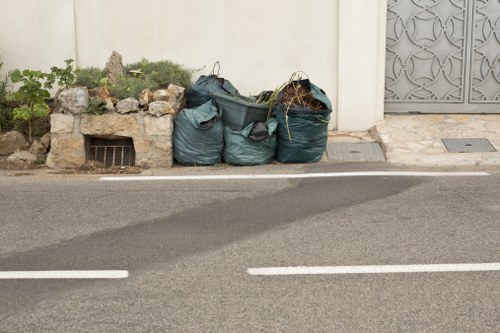
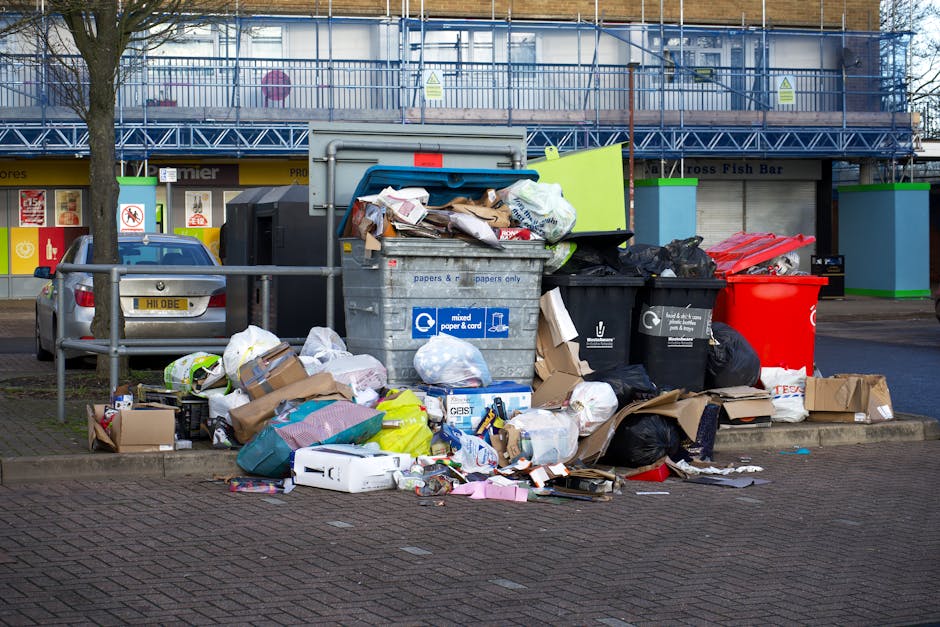
Commercial Waste Ware provides business waste removal in Ware for organisations that need a straightforward way to deal with everyday rubbish, bulky items and recurring clearances. The service is suited to offices, shops, hospitality premises, workshops and other commercial settings where waste needs to be removed without disrupting normal operations. Our approach is built around practical collection, responsible sorting and clear communication so that customers know what is being taken and where it is going.
We handle mixed commercial waste, office clear-outs, furniture disposal and selected specialist items where they can be accepted safely. For many customers, the main benefit is having one service that can deal with several waste streams at once rather than arranging different collection methods for each item type. If you are comparing options, it helps to identify the materials first, note any access restrictions and decide whether the work is a one-off clearance or part of a regular pattern. That preparation keeps the quotation process clear and helps the right team and equipment be arranged.
For a quote, start by listing the items you want removed and the location in which they are stored. You can also mention loading access, floor level, opening times and any items that may need special handling. If you already know the collection date you want, include that too. Request a quotation when you are ready, and the next step can be matched to the scale and type of waste involved.
Business waste removal for day-to-day operations
Business waste removal is the core service for customers who generate rubbish as part of ordinary trading. That can include packaging, broken office contents, obsolete stock, cardboard, general refuse and other mixed material that builds up through normal activity. The work is arranged to suit the site and the waste profile, so it can support smaller premises as well as multi-room workplaces. Where waste is mixed, we focus on separating what can be directed into different disposal routes rather than assuming everything is treated the same way.
Some customers need a one-off clearance after a move, refurbishment or stock change; others need a repeat arrangement because waste appears regularly and cannot be left to build up. In both cases, the important point is matching the removal to the material, the quantity and the access available. Business waste removal can therefore be planned around what is actually on site, rather than around a generic service description. If the load includes items with a different disposal route, those should be identified separately before collection.
What this service commonly covers
The exact contents of a business waste collection vary, but the following groups are often part of the work:
- General rubbish from day-to-day operations
- Cardboard, packaging and mixed recyclable material
- Old office items, fixtures and light furniture
- Bulk waste from storage areas, back rooms or stockrooms
- Items that need sorting before disposal or recycling
Office waste and workplace clearance
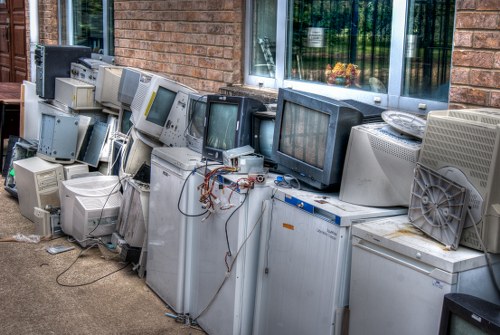
Office waste removal is useful when desks, chairs, filing furniture, monitors, cabinets or accumulated paperwork need to go without interrupting working hours more than necessary. A workplace clearance may involve a single room, a whole floor or a phased removal where access is limited. The main value is in turning a cluttered or outdated space into one that can be used again, while keeping the process orderly. We can also help when office contents need separating from general rubbish so the correct items are handled appropriately.
Office clearance is often the right choice where the job goes beyond isolated items and instead involves several pieces of furniture, mixed office equipment or a broader reset of the space. It is sensible to note whether there are stairs, lifts, parking limits or narrow internal routes, as these can affect the way the work is carried out. When office waste is described clearly at the outset, the collection can be matched more accurately to the volume, type and access conditions involved.
Before requesting a quotation, it is helpful to identify any items that contain confidential data, electrical components or awkward fixing points. That does not mean the job becomes difficult; it simply means the right handling method can be chosen. A clear description of what stays and what goes also reduces confusion on the day, especially where multiple teams share the same building or where rooms are in active use.
Furniture, fixtures and bulky item removal
Many commercial clearances include furniture and bulky items that are no longer required. This can mean desks, shelving, cabinets, tables, seating, display units or reception pieces that are taking up valuable floor space. Furniture removal is often needed when a layout changes, when a lease ends, or when old stockroom fittings need replacing. The useful part of the service is not just lifting items away, but doing so in a way that respects the building, the shared areas and the condition of the goods being removed.
Furniture clearance works well where several pieces need to be removed together, while furniture disposal is more suitable when the focus is on the end route for unusable or unwanted items. If the furniture is still in usable condition, it may be separated from damaged or broken material so that its handling reflects its state. This is especially helpful for premises that are being reconfigured, because it keeps the process more organised and reduces the risk of serviceable items being mixed with waste.
When a site contains heavy or awkward items, it is wise to think about door widths, lift access, staircases and the route from the room to the collection vehicle. The same applies to furniture stored in upper floors, basements or tightly packed back rooms. A short written list can make a big difference: item type, approximate quantity, and whether anything is fixed in place are all useful details for planning the work correctly.
Specialist collections for appliances and sensitive waste
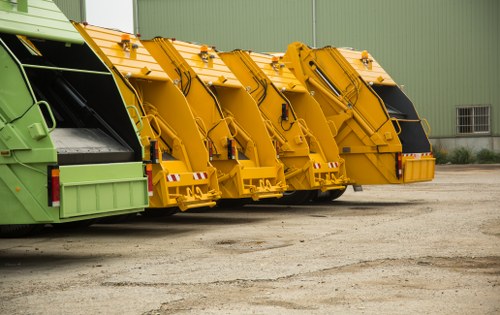
Some commercial premises produce items that need more specific handling than ordinary general waste. That may include refrigerators, freezers and other white goods, or materials that must be managed carefully because of their construction or contents. Where these items are accepted, they are usually best identified on their own rather than mixed into a general load. This keeps the removal process clearer and helps avoid surprises when the collection is arranged.
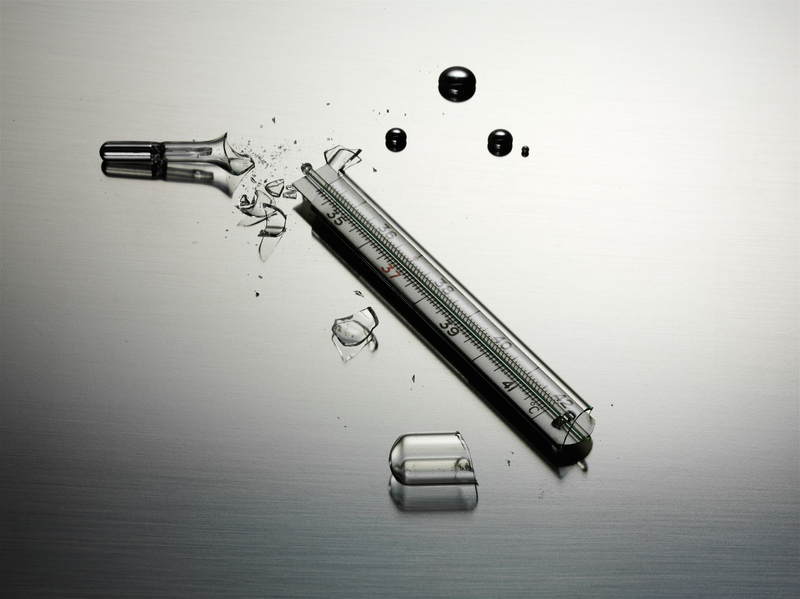
Fridge and appliance removal is useful for businesses replacing kitchen equipment, storage units or back-of-house appliances. A similar level of care applies to hazardous waste disposal, although that category demands stricter checks and should only be used where the material is suitable for that route and can be accepted safely. Not every site will have hazardous material, and not every appliance needs the same treatment, so it is better to describe the items clearly than to make assumptions.
For items such as electronics, insulated units or anything containing residues, the key point is accurate identification. If the waste includes contents that may alter the disposal route, those details should be set out before collection. That helps ensure the removal is organised around the actual materials present, rather than a broad category name that might not fit the full load.
Clearances for premises, storage areas and back-of-house spaces
Not all commercial waste is generated at the front of house. Many jobs come from storage rooms, utility areas, stockrooms, garages, loft spaces or other back-of-house parts of a site where unused items have built up over time. These spaces often contain a mixture of broken items, packaging, old fittings and forgotten stock. A clearance service is useful because it treats the room as a whole working area rather than as a series of unrelated objects.
Garage clearance, loft clearance and home clearance are listed services that may suit different property types, while businesses may also need warehouse clearance if that destination is not relevant here. Where only the listed URLs are available, the safest approach is to choose the service page that reflects the actual space being cleared and keep the description specific. This is especially important where access is awkward or where the items are spread across more than one room.
When a clearance is being planned, it helps to decide whether the whole area is to be emptied or whether only certain groups of items should go. Marking what should remain in place saves time and avoids accidental removal of useful stock or equipment. If several rooms are involved, a room-by-room note is usually the clearest way to present the work.
Recycling, sorting and responsible disposal choices
A commercial waste service is at its most useful when it does more than simply move items off site. Sorting matters because different materials may need different handling, and businesses often prefer a route that separates recyclable content from residual waste where possible. Common examples include cardboard, metals, office furniture, hard plastics and electrical items, though not everything can be treated in the same way. The aim is to keep the process practical while still respecting the different end routes for different materials.
Recycling and sustainability provides a useful reference point when customers want to understand how waste may be separated or directed after collection. What can go in a skip may also be relevant where people are comparing waste categories, although the suitability of any item still depends on the collection method and the rules applying to the material itself. The sensible approach is to describe the items accurately and let the disposal route follow from that description, rather than forcing everything into one category.
Where a business has mixed loads, the decision often comes down to whether the material is mostly reusable, recyclable or residual. Items that are contaminated, damaged or heavily mixed may need a different route from clean recyclables. Being precise at the quotation stage helps avoid misunderstandings and gives a better basis for arranging the collection in a way that fits the site and the waste itself.
About Ware
Ware is a town in East Hertfordshire, on the River Lea and close to the route now followed by the A10 corridor between London and Hertford. Its name is historically linked to the crossing point on the river, and the settlement grew as a river and market town rather than as a planned modern centre. The river remains a prominent part of the town’s character, with the Lea Navigation and nearby waterside stretches shaping views and routes through the area. Ware also has a long urban history, and traces of earlier development can still be read in the arrangement of streets, the market presence and the mixture of older buildings with later infill. The town centre includes a number of historic structures, with the parish church of St Mary standing as one of its best-known landmarks. Ware Park and the wider riverside corridor provide open space within the town, while the canalised and navigable waterways connect the area to a broader network of Hertfordshire and Lea Valley places. Nearby, the areas around the former brewery sites, the station and the town’s principal roads show the way Ware combines older commercial activity with modern commuting patterns. Its setting gives it a character that is both compact and connected: a market town with river scenery, transport links, heritage buildings and a lived-in high street that remains central to local identity.
Pricing, access and collection planning
Commercial waste work is usually priced according to the amount and type of material, the time needed on site, and any handling factors that make the job more involved. Access is one of the practical considerations: a ground-floor load near a vehicle is not the same as a clearance from an upper floor, basement or secured service area. A straightforward description of the location and the waste often makes it easier to prepare a quotation that reflects the actual work rather than a rough guess.
It is also useful to mention whether the material is bagged, loose, boxed or dismantled, because that can affect how it is loaded and how long the collection takes. If a business is arranging an emptying project after refurbishment or relocation, the best results usually come from stating the scope clearly at the outset. A sensible quote request does not need to be long; it just needs to cover quantity, item type, access and the intended timing.
For a cleaner estimate, send the key details together and keep the description focused on the items to be removed. If you are ready to move on, pricing and quotes is the most suitable place to start.
Book waste collection for your business
When the waste is identified and the access conditions are known, booking becomes a simple matter of matching the collection to the load. Some customers need the removal to support a move or fit-out, while others just want regular clutter cleared before it starts to interfere with the workday. Either way, the service is designed to be practical: remove the listed material, keep the process clear, and help the business move on with a tidier space and less unmanaged waste.
book online if you have a straightforward enquiry, or use the details above to request a quotation for a more specific collection. The important part is to be accurate about what is included so that the right removal can be arranged first time. If you are unsure which service page best fits the job, start with the item list and the location of the waste, then build the enquiry from there.
For general business waste removal in Ware, we are ready to help you set out the job clearly and get a quotation that reflects the materials involved. Request a quotation today and take the next step with a service that is matched to your site, your waste and your timetable.