Simple steps to sort recycling before rubbish pickup UK
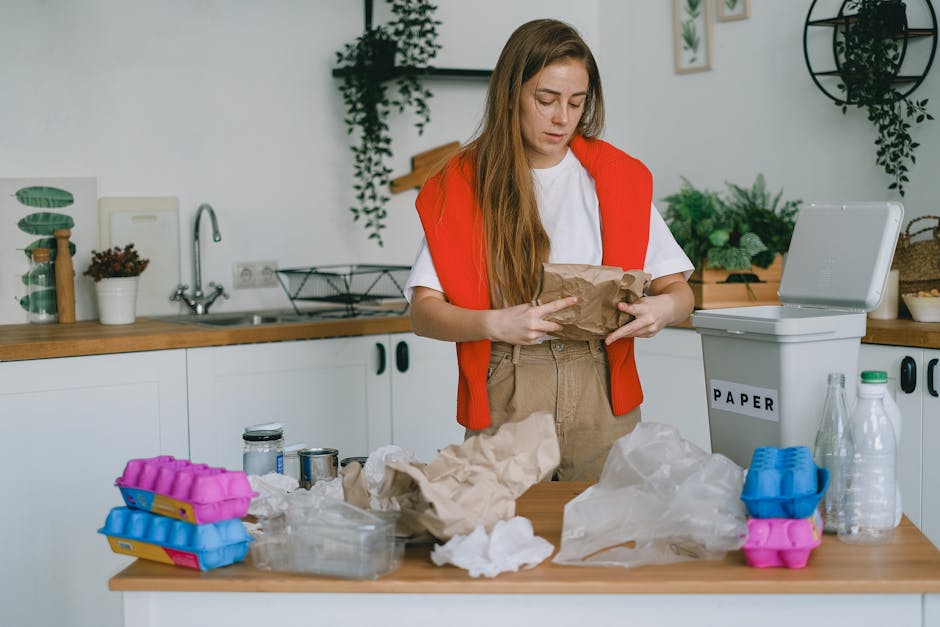
If you've ever stood in the kitchen with an empty cereal box in one hand and a yoghurt pot in the other, wondering where on earth they should go, you're not alone. Sorting recycling before rubbish pickup UK sounds straightforward until you're faced with greasy packaging, mixed materials, and the odd item that looks recyclable but probably isn't. The good news? A simple routine makes it much easier.
This guide breaks down the process into clear, practical steps you can actually use at home or in a shared property. You'll learn what to separate, what to double-check, how to reduce contamination, and how to keep things tidy without turning waste day into a half-hour puzzle. Little effort, big difference. Honestly, that's the sweet spot.
Why Simple steps to sort recycling before rubbish pickup UK Matters
Getting recycling right before rubbish pickup matters for a few very practical reasons. First, it helps recyclable material stay clean and usable. Second, it reduces the chance of your bin being rejected or partially emptied if contamination is obvious. And third, it stops reusable material from ending up in general waste, where it's usually harder to recover.
There's also a day-to-day benefit that people often overlook: a sorted bin area is calmer. No last-minute rummaging. No damp cardboard collapsing in the hallway. No mystery bag that turns out to be full of mixed packaging and takeaway leftovers. Sorting in advance saves time when the collection day comes round, especially if you're juggling a busy household, a flat share, or a small business with limited space.
For UK homes and workplaces, recycling rules can vary by council and service provider, so a sensible sorting routine is often better than trying to memorise every possible item in the world. That's not laziness; that's sanity.
Practical takeaway: the goal is not perfection. The goal is clean, separated, easy-to-check recycling that reduces avoidable contamination before collection.
How Simple steps to sort recycling before rubbish pickup UK Works
The basic idea is simple: separate recyclable materials from general rubbish before the bin is taken out. Most households do this by grouping items into common categories such as paper and card, plastics, metals, glass, food waste, and residual waste. Some councils collect these in one mixed recycling container; others ask you to sort them more carefully. The exact setup depends on where you live.
So what does that mean in practice? It means looking at the item, removing obvious non-recyclable parts, and making a judgment based on cleanliness and material type. A clean cardboard box is usually fine. A greasy pizza base with cheese stuck to it is not the same thing, even if it started life as card. A rinsed tin is much easier to handle than a container with a spoonful of old sauce clinging to the bottom.
If you're preparing waste for a property clear-out, garden tidy, office clean-up or larger household purge, the logic is the same. A quick sort before collection makes disposal smoother, and if you need help with larger mixed waste streams, services such as waste removal or recycling and sustainability support can be useful for keeping recyclable items separate from rubbish in the first place.
Key Benefits and Practical Advantages
Sorting recycling properly does more than tick a box. It makes the whole collection process easier and more predictable. That matters whether you're a homeowner, tenant, landlord, or business owner trying to keep waste under control without causing extra hassle for the people who collect it.
- Less contamination: clean recycling is more likely to be accepted and processed properly.
- Fewer missed items: separating waste before pickup helps you spot things that need special handling.
- Better space management: when rubbish and recycling are not mixed, bins stay tidier and less smelly.
- Less stress on collection day: you already know what goes where, so there's no panic at the kerb.
- More efficient disposal overall: sorting in advance helps avoid unnecessary disposal of recyclable material.
There's a hidden benefit too: once you build a habit, you stop overthinking it. After a while you just know that the clean envelope pile, the rinse-ready bottle tray, and the food-smeared packaging are not all going in the same place. It becomes automatic. Quite satisfying, really.
Who This Is For and When It Makes Sense
This approach is useful for almost anyone, but it's especially helpful if you live in a place where bin space is tight or collections are shared. Flat residents, families, landlords, property managers, offices, and small commercial premises all benefit from a simple pre-collection sorting routine.
It also makes sense during certain real-world moments:
- after a weekly shop with lots of cardboard and plastic packaging
- before a house move or end-of-tenancy clean
- after a garden tidy when plant waste, pots, and bagged rubbish get mixed together
- during office decluttering when paper, shredded documents, and packaging pile up
- after small refurbishments where leftover materials need separating from normal waste
If you're dealing with bulky items as well as day-to-day recycling, you may need more than a standard bin routine. In those cases, pages like house clearance, office clearance, or builders waste clearance can be relevant because they help keep different waste types from getting muddled together.
Step-by-Step Guidance
1. Start with a clean sorting space
Choose a spot near the kitchen, utility room, garage, or bin storage area. It doesn't need to be fancy. A couple of labelled containers or sturdy bags will do. The point is to make sorting easy enough that you'll actually do it instead of dumping everything in one pile and hoping for the best.
2. Separate paper and card first
Paper and card are usually the easiest items to sort. Put aside newspapers, envelopes, office paper, cereal boxes, and clean delivery boxes. Flatten cardboard where you can. If it has grease, food residue, or plastic film attached, check whether those parts need to be removed. One soggy flap can spoil a whole stack, so it's worth a quick look.
3. Group plastics by what is clean and accepted
Plastics are where people tend to get stuck. Bottles are often straightforward, but trays, tubs, films, and soft plastics may be handled differently depending on your local collection service. The safest habit is to remove food, rinse lightly if needed, and only include items that your collection accepts. A clean bottle is much better than a half-rinsed container that still smells like last night's pasta.
4. Keep metals separate
Metals such as drinks cans, food tins, foil trays, and clean aerosol cans are often recyclable, but again, the exact rules can vary. Empty them properly. No liquid. No leftover soup. If you can hear it sloshing, it's probably not ready.
5. Treat glass carefully
Glass jars and bottles are commonly recyclable, but broken glass, mirrors, and heat-resistant glass may need different handling. Use a box or crate if needed so you're not carrying loose glass to the bin like a nervous juggler. Clean jars are ideal; sticky jam jars, less so.
6. Remove obvious contaminants
Before collection, do a fast contamination check. Food waste, tissues, nappies, wet wipes, sanitary waste, and general rubbish do not belong in recycling. This is the bit that saves everyone time later. If in doubt, leave it out rather than guessing.
7. Put special items aside
Some items need separate disposal pathways altogether. Appliances, fridges, mattresses, sofas, confidential paperwork, and anything hazardous should not be treated like ordinary recycling. For example, larger white goods may be better handled through fridge and appliance removal, while sensitive paperwork may need confidential shredding.
8. Check the collection rules before the bin goes out
This is the unglamorous but important bit. Councils and collectors can differ on what they accept, how items should be presented, and whether mixed recycling is allowed. A quick check before collection day is far easier than trying to rescue an item after it has already gone. Ask the question before the kerbside moment, not after.
Expert Tips for Better Results
After plenty of sorting routines, one pattern shows up again and again: the best systems are the simplest. You do not need ten different boxes. You need a setup that matches your household habits and waste output.
- Use two clear categories first: recyclable and non-recyclable. Then split the recyclables further if your collection requires it.
- Keep a small "not sure" container: if something is doubtful, set it aside and check later instead of contaminating a whole bag.
- Rinse lightly, don't obsess: you usually only need items empty and reasonably clean, not scrubbed like hospital equipment.
- Flatten bulky card: it saves space fast and keeps bin lids closing properly.
- Watch for mixed materials: packaging with foil, plastic windows, or glued-in liners may not belong in recycling as-is.
A useful little trick: sort once while unloading shopping, not once the bin is full. You'll notice the difference straight away. Less mess, less smell, less shouting at the recycling tub at 7:30 in the evening. Been there.
If you manage waste across several rooms or properties, it can help to pair sorting with a broader clean-up plan. For example, landlords dealing with tenant turnover often need both recycling discipline and larger clearance support, while business premises may need structured waste handling through business waste removal.
Common Mistakes to Avoid
Most sorting mistakes are simple, but they matter because they can turn good recycling into contaminated waste. The usual culprits are familiar:
- Putting food-soiled packaging in recycling: a chip box with grease stains is not the same as a clean cardboard carton.
- Mixing general rubbish into recycling: one bad bag can create issues for the whole load.
- Ignoring local instructions: the rules are not identical everywhere in the UK.
- Assuming everything with a recycling symbol is accepted: the symbol can be helpful, but it is not a guarantee.
- Leaving liquids in containers: bottles and cans should be empty before collection.
- Forgetting special waste streams: batteries, chemicals, broken electricals, and similar items need specific handling.
To be fair, most people make at least one of these mistakes now and then. The main thing is to catch them early and build a habit around the awkward bits. It's not about being perfect; it's about being consistent.
Tools, Resources and Recommendations
You do not need specialist equipment to sort recycling before rubbish pickup, but a few practical tools make life much easier.
- Stackable boxes or labelled tubs: useful for separating paper, plastics, metals, and glass.
- Thin marker labels: simple labels save time and stop family members from guessing.
- A small rinse bucket or sink routine: handy for bottles, tins, and food containers.
- A checklist on the inside of a cupboard door: sounds basic, works brilliantly.
- Dedicated bags for hard-to-classify items: useful when you need to review them later.
If you are sorting at scale, such as during a move or a major clear-out, it can help to look at relevant disposal pages first so you can separate recyclable and non-recyclable material before the uplift. Pages such as home clearance, flat clearance, loft clearance, and garage clearance are useful signposts when you need a bigger waste plan rather than just bin-day advice.
Law, Compliance, Standards, or Best Practice
In the UK, waste handling is shaped by local authority collection rules, environmental expectations, and general duty-of-care principles. The exact details can vary, so it is sensible to check the instructions that apply where you live or work. That may sound obvious, but people often skip this step and then wonder why items are left behind.
From a best-practice point of view, the most important idea is simple: keep recyclable material clean, separate, and free from obvious contamination. If you are responsible for waste from a business, rented property, or work site, you may also need to think more carefully about how different waste streams are stored and collected. In that setting, a tidy system is not just convenient; it helps you stay organised and reduces avoidable disposal problems.
If hazardous materials, electrical items, or bulky waste are involved, treat them as separate categories and use the appropriate route. Pages like hazardous waste disposal and health and safety policy are relevant to the wider duty-of-care mindset, especially when waste might create risk during storage or collection.
For businesses, the main best-practice rule is straightforward: do not mix everything together and hope it becomes someone else's problem. It rarely ends well.
Options, Methods, or Comparison Table
There is more than one way to manage recycling before pickup. The right choice depends on the amount of waste, the type of property, and how much space you have.
| Method | Best for | Pros | Limitations |
|---|---|---|---|
| Simple home sorting | Daily household recycling | Cheap, easy, quick to maintain | Needs consistency and clear labels |
| Multi-bin separation | Families, shared homes, larger kitchens | Reduces confusion and contamination | Uses more space |
| Pre-collection waste sorting | Moves, clear-outs, office decluttering | Helps divide recyclable and residual waste early | Needs time and some planning |
| Professional uplift or clearance | Bulky, mixed, or time-sensitive waste | Useful for larger volumes and awkward items | Not needed for small everyday recycling |
If you are unsure which route makes sense, a practical starting point is to ask: is this routine household recycling, or is it part of a bigger disposal job? If it's the second one, a service such as pricing and quotes can help you compare the likely approach, while book online may be useful when you already know what needs clearing.
Case Study or Real-World Example
Picture a small two-bedroom flat in London on a Thursday evening. There's a cardboard pile from online deliveries, a couple of tins from dinner, glass jars from sauces, and one bag of general rubbish with tissues, packaging film, and a broken plastic hanger inside. Not dramatic, but very normal.
Instead of throwing everything into the same bag, the household does a quick sort at the kitchen counter. Cardboard is flattened and stacked. Tins are emptied and rinsed. Jars go into a separate box. The broken hanger and tissues are put in residual waste. One tray with food residue is left aside because it needs a bit more checking. Ten minutes later, the bins are tidy, the hallway smells less like old takeaway, and collection day is much easier.
That's the real point. Small, repeatable actions beat heroic clean-ups. Every time. And once people see the difference, they usually keep doing it without being nagged. Which, let's be honest, is the dream.
Practical Checklist
Use this checklist before rubbish pickup day:
- Empty all bottles, cans, and containers
- Remove obvious food residue where needed
- Flatten cardboard and card packaging
- Separate paper, plastics, metals, and glass as required
- Keep general rubbish out of recycling bags
- Set aside batteries, electrical items, chemicals, and other special waste
- Check local collection instructions if anything looks uncertain
- Make sure bins, boxes, or bags are clearly labelled
- Keep the recycling area dry if possible
- Put out only what the collection service accepts
If you can tick those off, you're already doing better than most households that just wing it on bin night.
Conclusion
Sorting recycling before rubbish pickup UK does not need to be complicated. Start with a few clear containers, separate the common materials, keep contaminated items out, and check the collection rules where you live. That simple routine helps reduce mistakes, saves time, and makes your waste area feel much more under control.
For everyday households, it's a habit worth building. For larger clear-outs, shared homes, and businesses, it becomes even more valuable because it keeps recyclable material from being buried in general waste. And once the system is in place, it honestly feels easier week after week. Less fuss. Less mess. More breathing room.
If you are dealing with a larger amount of mixed waste or need help planning a proper disposal approach, take a look at the relevant service information and choose the route that fits your situation best. A little structure now can save a lot of faff later.
Get a free quote today and see how much you can save.
Frequently Asked Questions
What is the simplest way to sort recycling before rubbish pickup?
Start by separating clean paper and card, rinsed cans and bottles, and any items your local collection accepts. Keep food waste and general rubbish out of the recycling stream.
Do I need to wash recycling before putting it out?
Usually, items only need to be empty and reasonably clean. A quick rinse is often enough for bottles, jars, and tins. You do not need to deep-clean everything.
What should I do with greasy pizza boxes?
If the box is heavily soiled with grease or food residue, the contaminated parts usually should not go in recycling. Clean sections may sometimes be separated, but if in doubt, leave it out.
Can I put soft plastic in my recycling bin?
That depends on your local collection rules. Some services accept certain soft plastics, while others do not. Always check before adding them.
Why was my recycling bin left uncollected?
Common reasons include contamination, incorrect items, excess weight, or putting out waste that the service does not accept. A quick check of the bin contents usually gives the clue.
Is it okay to mix glass with other recyclables?
Some collections accept mixed recycling, while others want glass kept separate. The correct answer depends on your local service, so it's worth checking rather than guessing.
What items should never go in recycling?
General rubbish, food waste, nappies, wet wipes, sanitary waste, batteries, chemicals, and many electrical items should be kept out of standard recycling unless a specific service says otherwise.
How can I make recycling sorting easier in a small flat?
Use compact labelled containers, flatten card immediately, and create one small holding area near the bin. In a flat, consistency matters more than having lots of storage space.
What should I do with old appliances or bulky household items?
Do not put them in normal recycling. Larger items such as fridges, appliances, sofas, and mattresses usually need separate disposal arrangements and should be handled through the appropriate service route.
Does sorting recycling really make a difference?
Yes. Clean, properly separated recycling is easier to collect and process. It also lowers the chances of contamination and makes your waste area much more manageable.
What if I am not sure whether something is recyclable?
Put it aside until you can check. That is usually safer than mixing an uncertain item into a recycling bag and risking contamination.
Can businesses use the same sorting approach as households?
The basic logic is the same, but businesses often need a more structured system because they produce larger volumes and may handle different waste types. A dedicated waste plan is usually the better option.